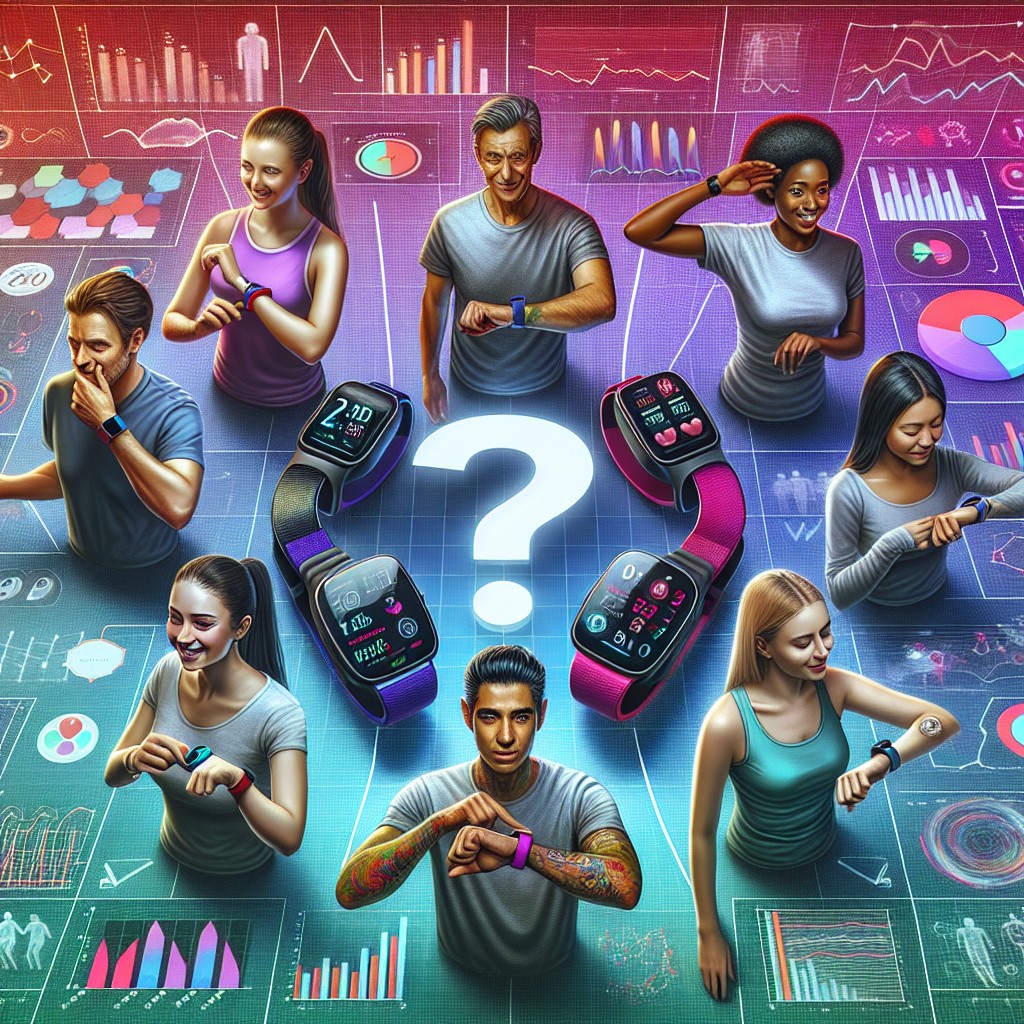
In recent years, the rise of wearable wellness devices has transformed how individuals monitor their health. From fitness trackers to smartwatches, these gadgets promise a continuous window into personal well-being by collecting a variety of physiological and activity data. However, the question remains: what can this health data truly reveal about a person’s wellness?
The scope of data collected by wearable wellness devices
Wearable wellness devices typically gather data such as heart rate, sleep patterns, physical activity, and sometimes even blood oxygen saturation. Advanced models can track stress levels and electrocardiogram (ECG) readings. This data provides users with real-time feedback and long-term trends that can guide lifestyle adjustments. Yet, the accuracy and interpretation of these measurements vary based on device quality, sensor technology, and individual differences.
Limitations in interpreting wearable wellness data
Despite technological advancements, wearable wellness data should be viewed cautiously. Several factors can affect sensor readings, including skin tone, motion artifacts, and device placement. For example, heart rate monitors in wrist-worn devices may be less accurate during vigorous exercise. Furthermore, these devices do not diagnose medical conditions and should not replace professional healthcare evaluations. The data requires context and expert interpretation to avoid misleading conclusions about health status.
Potential benefits in preventive health and personalized care
When used appropriately, wearable wellness technologies offer valuable insights into physical activity levels and behavioral patterns. Continuous monitoring can encourage healthier habits and early detection of irregularities such as arrhythmias. In some healthcare systems, clinicians integrate data from wearables to tailor treatment plans and enhance patient engagement. This reflects a growing trend towards personalized medicine facilitated by digital health tools.
Privacy and data security concerns surrounding wearable wellness
The widespread adoption of wearable wellness devices raises important questions about data privacy and protection. Sensitive health information is collected and stored, often on third-party cloud servers. Users face risks related to unauthorized data access, potential misuse, and lack of transparency about data handling practices. Regulatory frameworks in various countries aim to safeguard personal health data, but ongoing vigilance is crucial to maintain trust in these technologies.
The future outlook for wearable wellness technologies
Advancements in sensor accuracy, artificial intelligence, and integration with healthcare systems are expected to enhance the usefulness of wearable wellness devices. Improved algorithms may provide more precise interpretations of health data, allowing users and providers to make informed decisions. Nonetheless, the technology is not without its challenges, and balanced understanding of its capabilities and limitations remains essential as the market continues to evolve.
Overall, wearable wellness devices represent a significant step forward in personal health monitoring. While they offer accessible data that can promote wellness, their outputs are best considered complementary to professional medical advice. Continued research and responsible innovation will determine how these tools integrate into holistic health management in the coming years.
Frequently Asked Questions about wearable wellness
What types of health data are commonly tracked by wearable wellness devices?
Wearable wellness devices typically record heart rate, physical activity, sleep quality, and sometimes blood oxygen levels or stress indicators, providing users with insights into daily health metrics.
How accurate is the data gathered from wearable wellness technology?
The accuracy varies depending on device quality, sensor type, and usage conditions. Some data, like step counts, are generally reliable, while others, such as sleep stages, may have limitations.
Can wearable wellness devices replace professional medical evaluations?
No, while these devices offer health-related information, they are not designed to diagnose conditions and should not replace consultations with healthcare professionals.
Are my health data from wearable wellness devices secure?
Data security depends on the device manufacturer’s policies and the platforms used. Users should review privacy terms and choose devices with strong data protection measures.
How can wearable wellness data contribute to preventive healthcare?
By continuously tracking health metrics, wearable wellness devices can help identify unusual patterns early, encouraging timely medical consultation and promoting healthier lifestyle choices.